FVR-90
L3Harris · United States · also known as FVR-90 Airframe · Updated
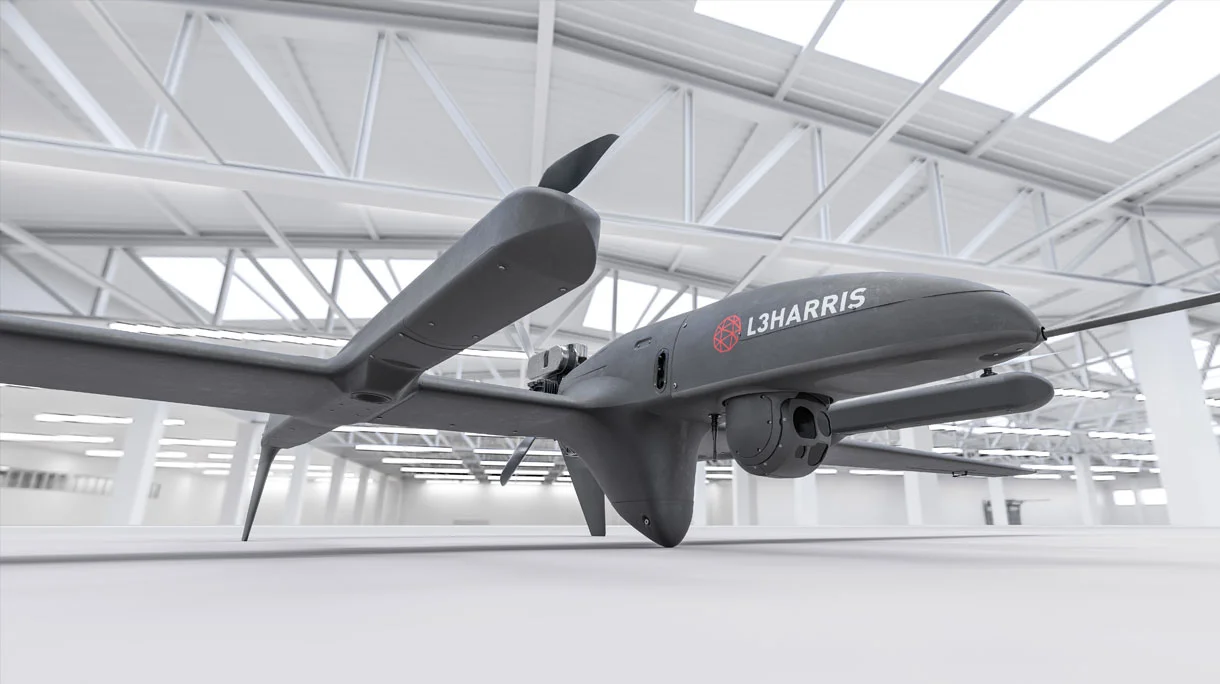
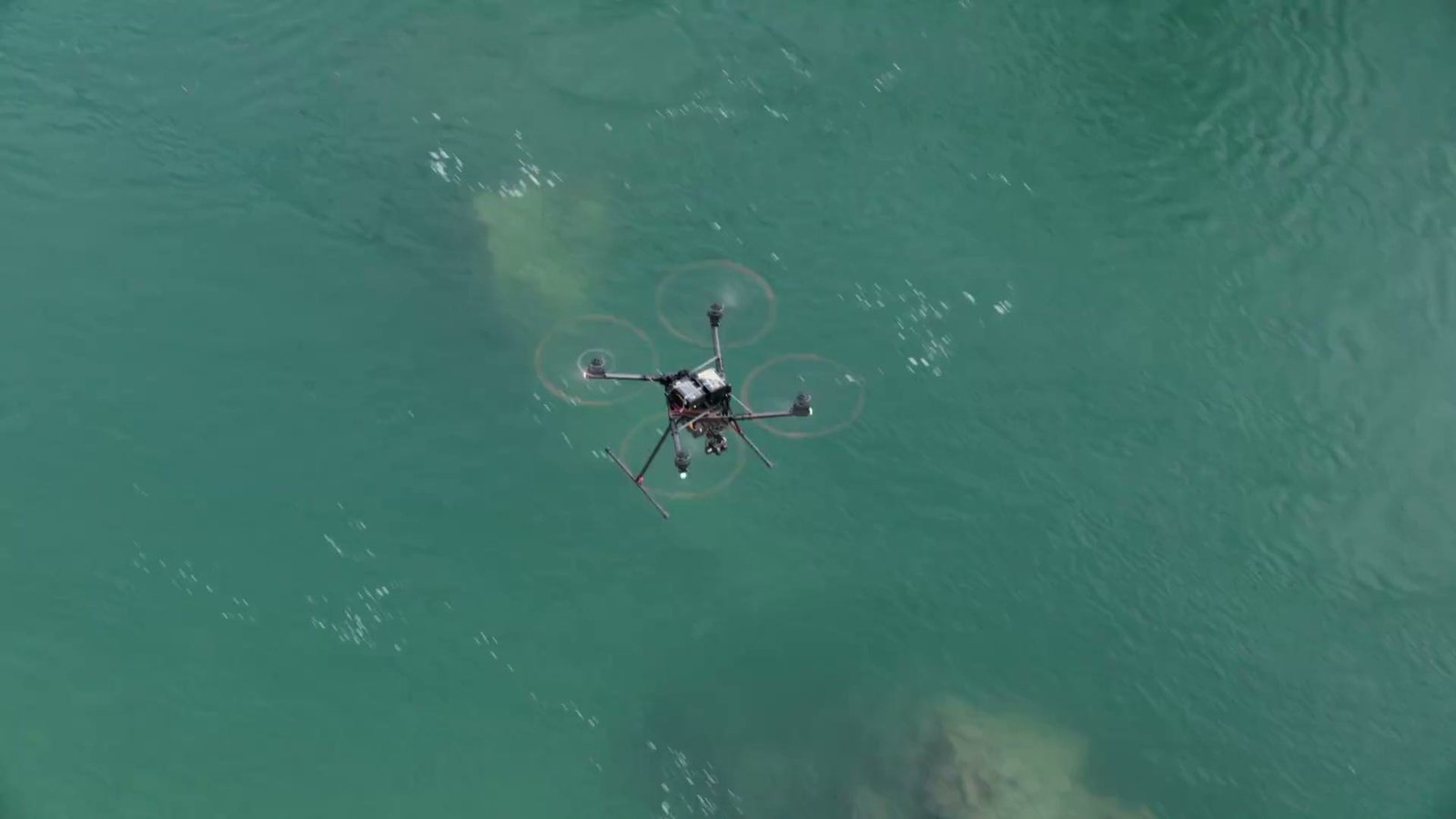
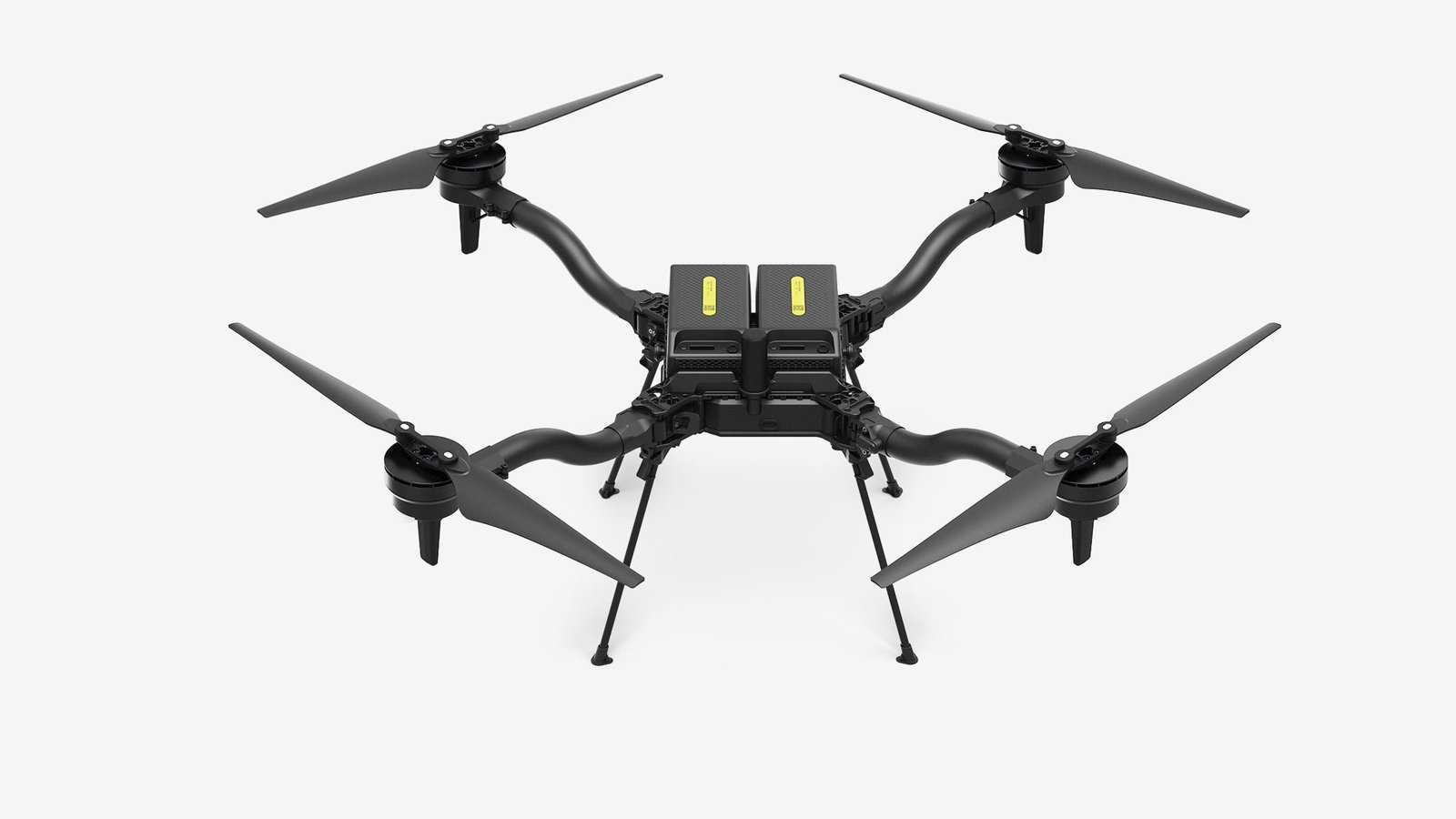
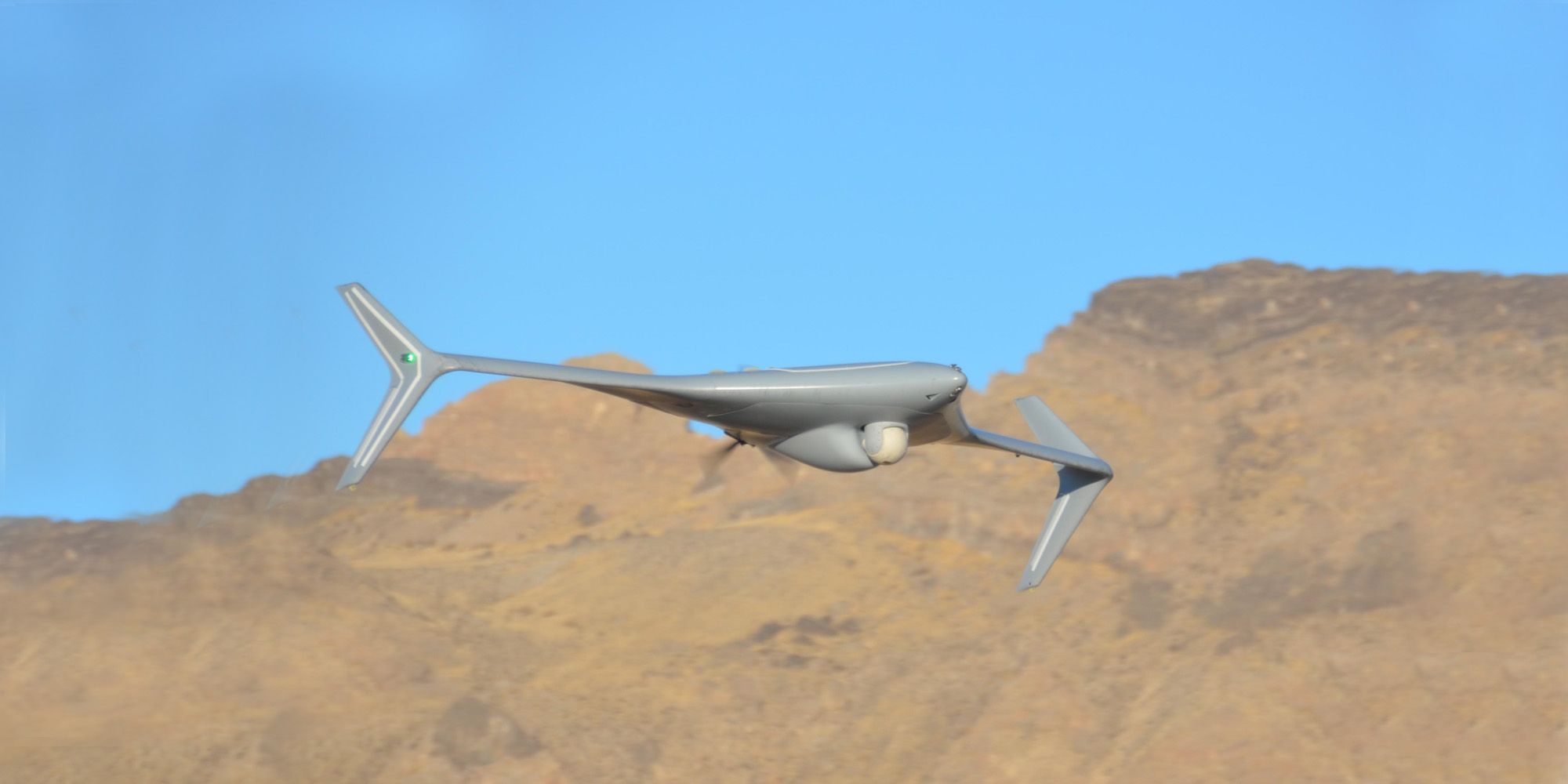
FVR-90 is a vertical take-off and landing (VTOL) tactical unmanned aircraft system made by L3Harris Technologies of the United States, built around the company's patented Hybrid Quadrotor (HQ) technology. It combines multirotor vertical lift with fixed-wing cruise efficiency so it can take off and land without a runway, catapult or other launch and recovery equipment.
Overview
L3Harris markets the FVR-90 as part of its FVR (Fixed-Wing, VTOL, Rotary) family of unmanned aircraft, aimed at military, maritime and austere-environment missions where runway independence matters. The aircraft is designed to be set up and flown by a two-person team in about an hour, and later HQ software revisions added Maritime Moving Baseline technology that lets it land vertically on a moving vessel, such as a Navy ship's flight deck or a Special Operations Forces combatant craft. In June 2019, L3Harris demonstrated the FVR-90 with the US Air Force Research Laboratory (AFRL) at Camp Atterbury, Indiana, integrating it with AFRL's Vigilant Spirit Control Station software.
In October 2023, the US Navy partnered with L3Harris to develop a heavy-fuel engine (HFE) variant of the FVR-90, using a new engine L3Harris calls the A99. Heavy fuels such as jet fuel are more energy-dense than gasoline, letting the aircraft carry more usable fuel for its weight. L3Harris President of Space and Airborne Systems Ed Zoiss described the project as supporting "evolving Navy and Marine Corps UAS threats and mission requirements." As of the access date below, L3Harris had not disclosed a contract value, a production schedule, or any operator that has fielded the FVR-90.
Design and capabilities
L3Harris's own spec sheet gives the FVR-90 a length of 98 in (2.49 m), a wingspan of 185 in (4.7 m), an empty weight of 70 lb (31.75 kg) and a gross take-off weight of 120 lb (54.43 kg). It carries payloads of up to 22 lb (9.98 kg) through a modular nose, two boom hardpoints and a front-bulkhead universal interface; a WESCAM MX-8 electro-optical/infrared turret with a laser rangefinder and illuminator is one sensor L3Harris has shown integrated on the airframe.
Published endurance figures vary by source and configuration: Airforce Technology, citing L3Harris's data sheet, gives a maximum of 15 hours, while L3Harris itself has quoted ranges of 12 to 18 hours and, separately, 8 to 16 hours depending on payload. Airforce Technology lists a maximum speed around 65 kn (120 km/h), a loiter/cruise speed around 50 kn (93 km/h) and an operational ceiling of 5,000 ft (1,524 m). The primary datalink is rated at 40 Mbps out to 60 km and 1 Mbps out to 100 km, with a secondary link and sub-500 ms latency on the primary; if the link is lost, the aircraft is designed to loiter, then land or return to base autonomously. The system supports an optional M-code GPS receiver for GPS-denied operation and optional Iridium satellite communications, and is controlled from a small mobile ground station running on a Windows tablet or laptop.
Operational history
L3Harris has flown the FVR-90 in US government-linked demonstrations, including the 2019 AFRL exercise at Camp Atterbury and ongoing work on the Navy's heavy-fuel engine variant announced in 2023. No branch of the US military or any other government has publicly confirmed fielding the FVR-90 operationally, and L3Harris has not named a customer or unit price.
Frequently asked questions
What is the FVR-90's payload capacity?
L3Harris's spec sheet rates it at up to 22 lb (9.98 kg), carried in a modular nose and on two boom hardpoints.
How long can the FVR-90 fly?
Published figures vary: Airforce Technology cites a 15-hour maximum drawn from L3Harris's data sheet, while L3Harris's own public statements have quoted 12-to-18-hour and 8-to-16-hour ranges depending on payload and configuration.
Does the FVR-90 need a runway?
No. It takes off and lands vertically using L3Harris's Hybrid Quadrotor technology and needs no launcher or recovery equipment.
Who operates the FVR-90?
No operator has been publicly confirmed. L3Harris has demonstrated it with the US Air Force Research Laboratory and is developing a heavy-fuel engine variant with the US Navy.
Can the FVR-90 land on a ship?
Yes, with its Maritime Moving Baseline software, L3Harris says the aircraft can take off and land vertically on a moving vessel such as a Navy flight deck.