Bat
Northrop Grumman · United States · Updated
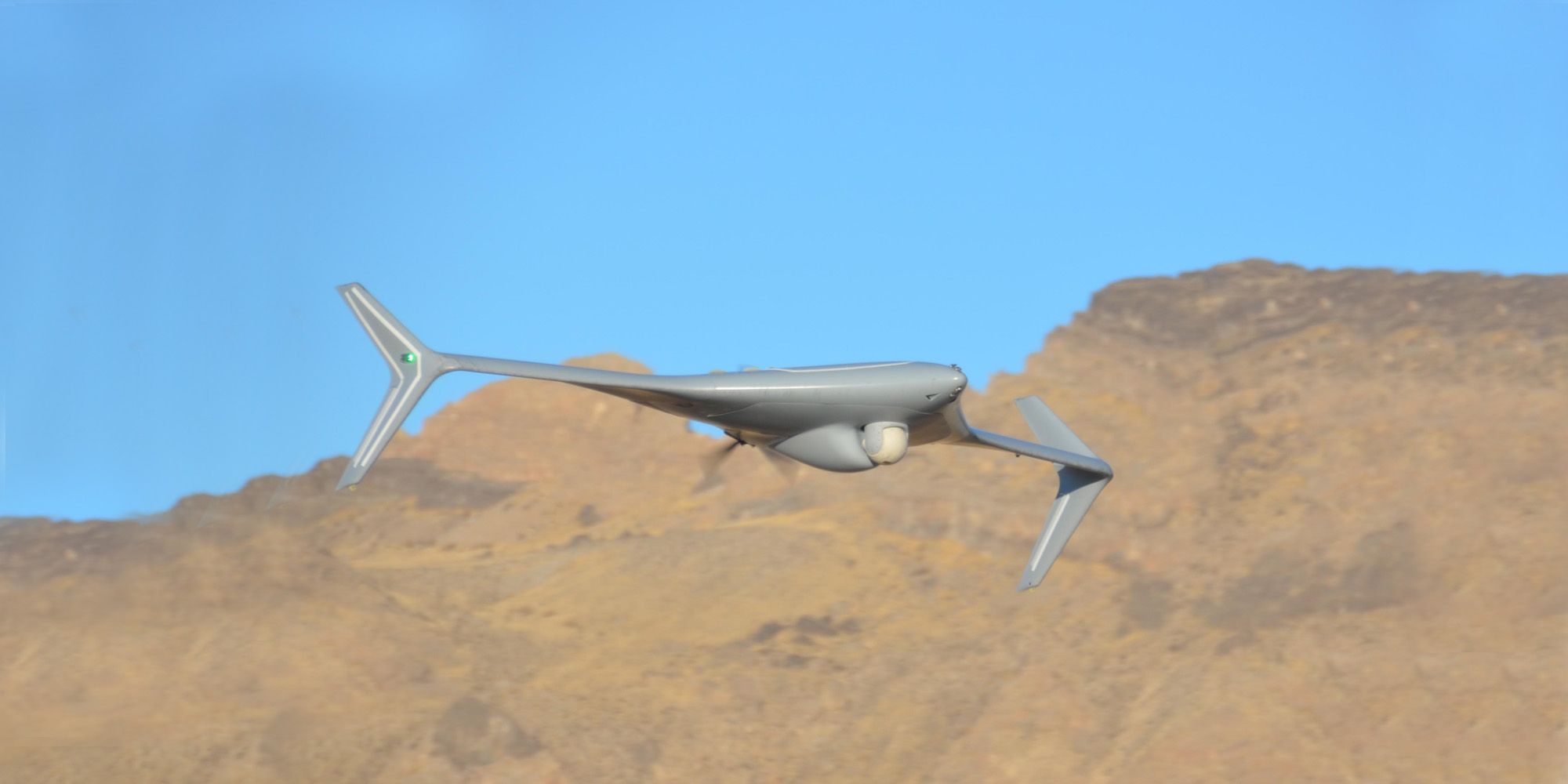
Bat is a family of tactical unmanned aircraft systems built by Northrop Grumman of the United States for intelligence, surveillance, reconnaissance and electronic-warfare missions.
Overview
The design originated as the Killer Bee, developed by Swift Engineering, which first flew on 14 March 2006. Northrop Grumman acquired design and marketing rights from Swift Engineering and renamed the aircraft Bat in April 2009. Northrop Grumman markets Bat as an affordable, medium-altitude, multi-mission UAS, configurable with different fuel tanks and sensor payloads to meet a range of tactical requirements, including target acquisition and communications relay alongside ISR and electronic warfare. In August 2011, Northrop Grumman won a $26 million contract to supply Sand Dragon B Tier II UAVs, a Bat variant intended to detect improvised explosive devices and roadside bombs.
Design and capabilities
The current Bat airframe has a 14 ft (4.3 m) wingspan, a 12 ft (3.7 m) length and a gross weight of about 350 lb (159 kg), carrying up to 75 lb (34 kg) of payload in a blended-body fuselage that Northrop Grumman says gives it 3.2 cubic feet of payload volume — more than other UAVs of similar size. It is powered by a Hirth electronic fuel-injection engine driving a five-bladed rear pusher propeller, with a heavy-fuel variant available that runs on JP-8, the fuel most widely used by the US military. Published figures give a maximum speed of about 167 km/h (104 mph), an 18-hour endurance and a service ceiling of 17,000 ft (5,200 m). The aircraft is runway-independent and fully autonomous, launching from a pneumatic/hydraulic rail launcher and recovering into a net rather than landing conventionally, and is flown from a scalable, IP-based ground control station.
Operational history
Northrop Grumman states it has successfully flown and deployed ISR and electronic-warfare payloads on the Bat, and the Sand Dragon B variant was contracted in 2011 for counter-IED detection work. No specific military branch or export customer has been publicly confirmed as an operator.
Variants
The product line has been offered in multiple wingspan configurations, including 12 ft and 14 ft variants, with payload and sensor fit varying by configuration.
Frequently asked questions
What is the range and endurance of the Bat UAS?
Wikipedia's specifications table lists an 18-hour endurance; Northrop Grumman does not publish a maximum range figure.
How much does the Bat UAS weigh?
About 350 lb (159 kg) at gross weight, with a payload of up to 75 lb (34 kg).
How is the Bat UAS launched and recovered?
It launches from a pneumatic or hydraulic rail launcher and recovers into a net recovery system, requiring no runway.
What missions does the Bat UAS fly?
Intelligence, surveillance and reconnaissance, electronic warfare, target acquisition and communications relay; a Sand Dragon B variant was contracted for IED and roadside-bomb detection.
Where did the Bat UAS come from?
It began as the Killer Bee, designed by Swift Engineering and first flown in 2006, before Northrop Grumman acquired the design and renamed it Bat in 2009.